


From August 9 to 13, a joint delegation comprising experts from the Vietnam National University of Forestry, the Centre for Environmental Research and Nature Conservation (CEGORN), alongside officials from the Tuyen Hoa Forest Protection Department and the Tuyen Hoa Protection Forest Management Board, successfully conducted a 5-day, 4-night field survey in the Khe Net area (Quang Tri Province).
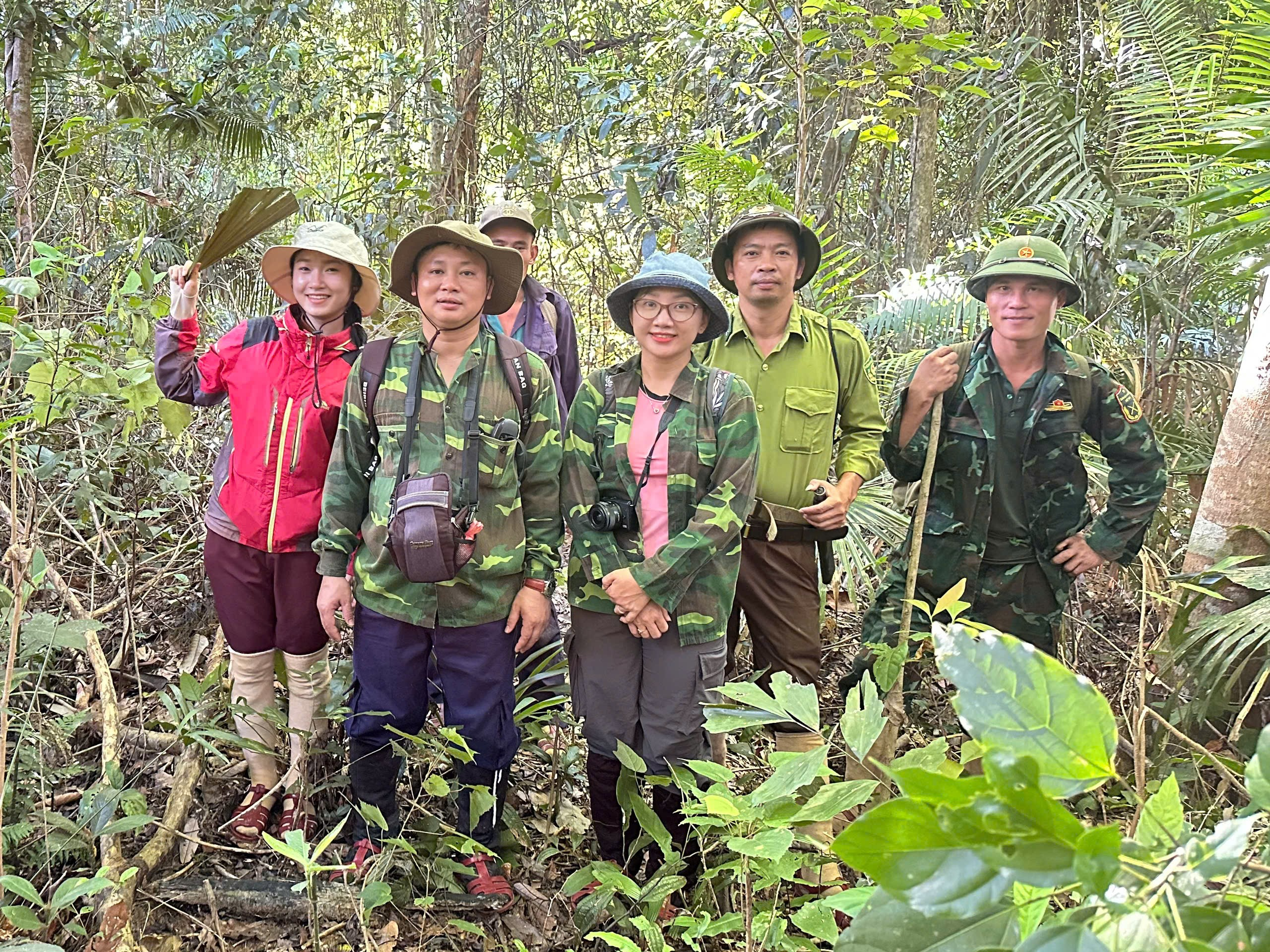
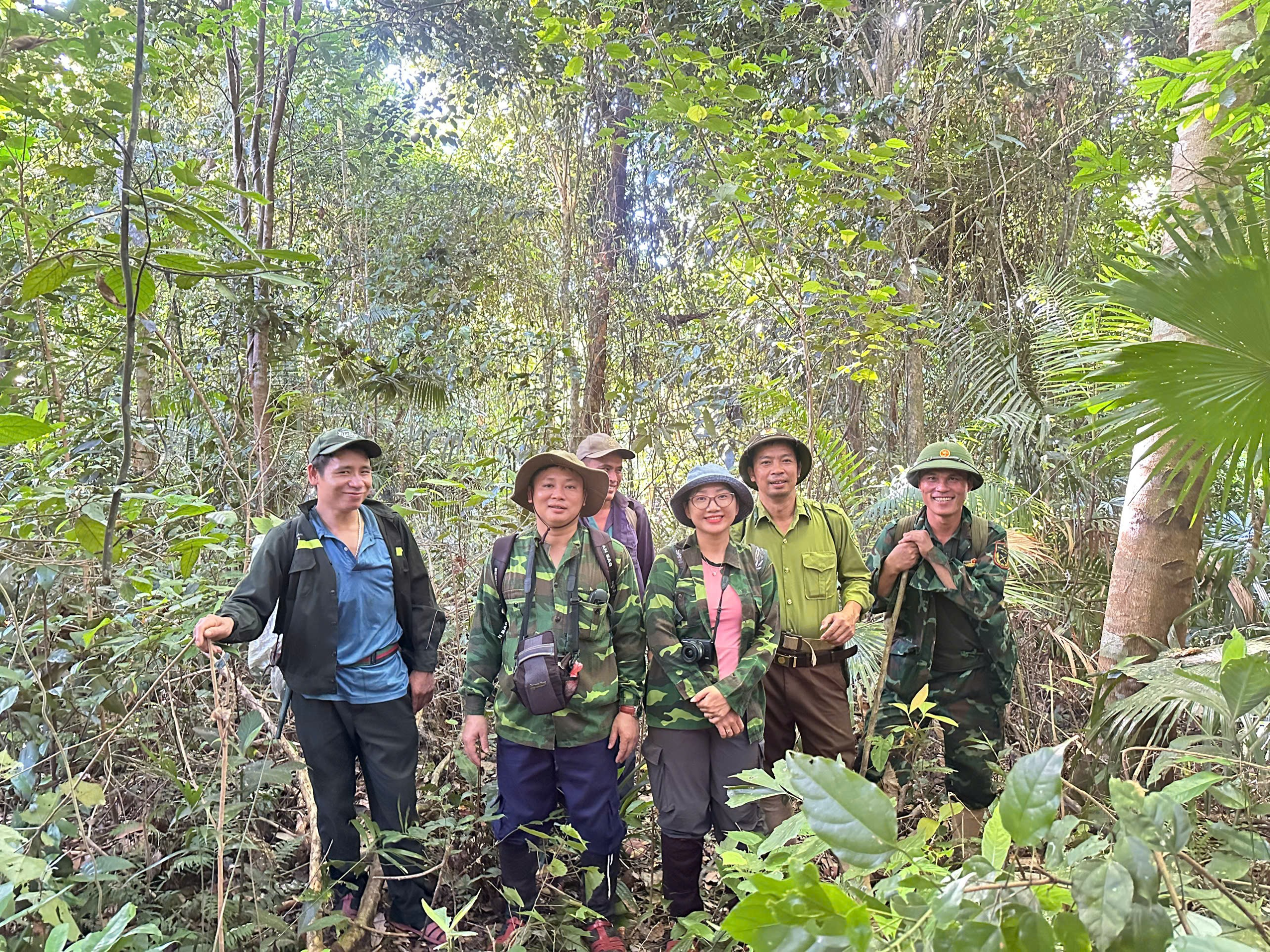
The inter-disciplinary survey team embarking on the field expedition in the Khe Net area
This field survey in the Khe Net area was conducted within the framework of a program assessing biodiversity status and laying the groundwork for sustainable natural resource conservation projects in Tuyen Hoa District, Quang Tri Province. The delegation’s 5-day, 4-night itinerary (starting on the morning of August 9) traversed exceptionally complex terrain characterized by rugged cliffs, precarious slopes, and dense thickets of reeds and bamboo barring the way.
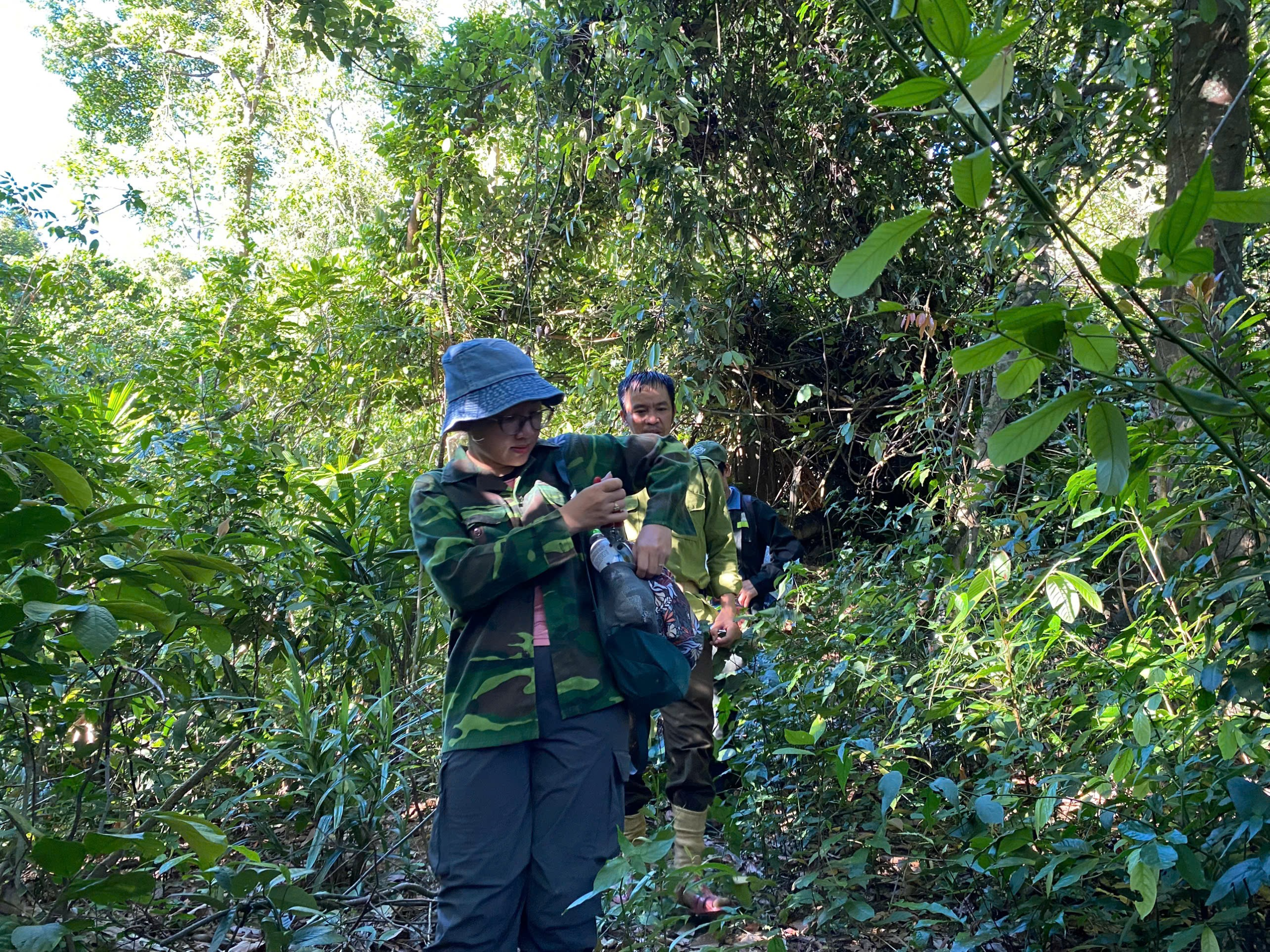
The survey team crossing rugged terrain amidst the old-growth forest
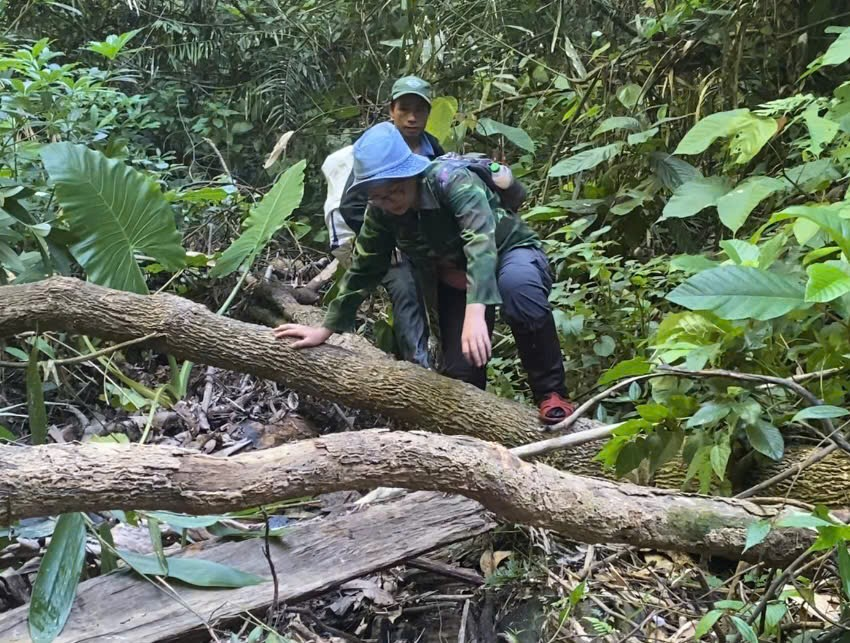
Surveyors negotiating massive fallen tree trunks obstructing the path
To complete the tens-of-kilometers route through the deep jungle, the experts and conservationists endured severe weather conditions. Operating with the unwavering spirit of frontline logistics troops, the team pressed forward resolutely regardless of scorching heat or sudden torrential forest downpours. Every movement demanded strict discipline and seamless teamwork to ensure absolute safety for all members and specialized equipment.
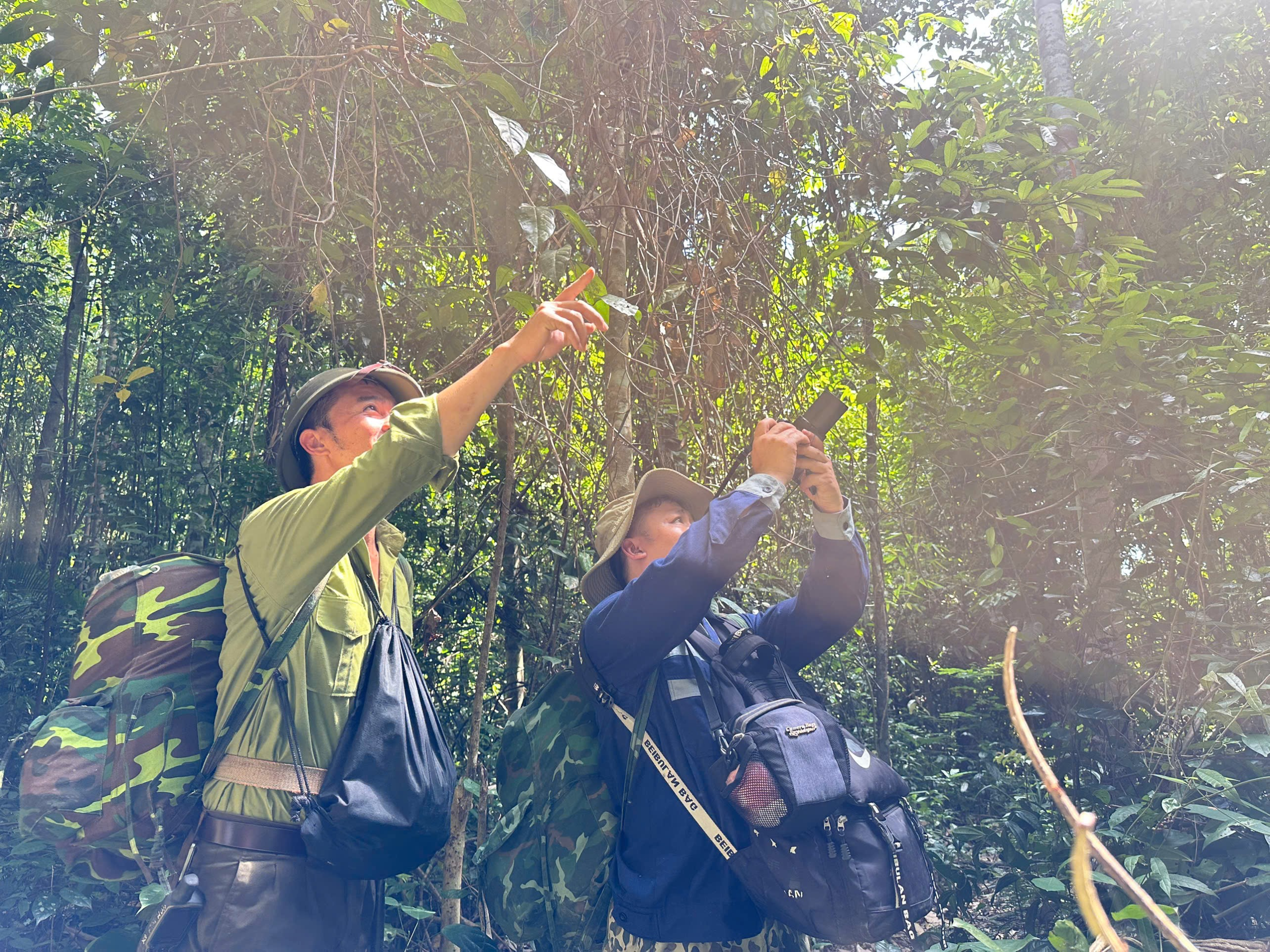
Forest ranger and wildlife expert Giang Trong Toan collaborating to record a rare bird species
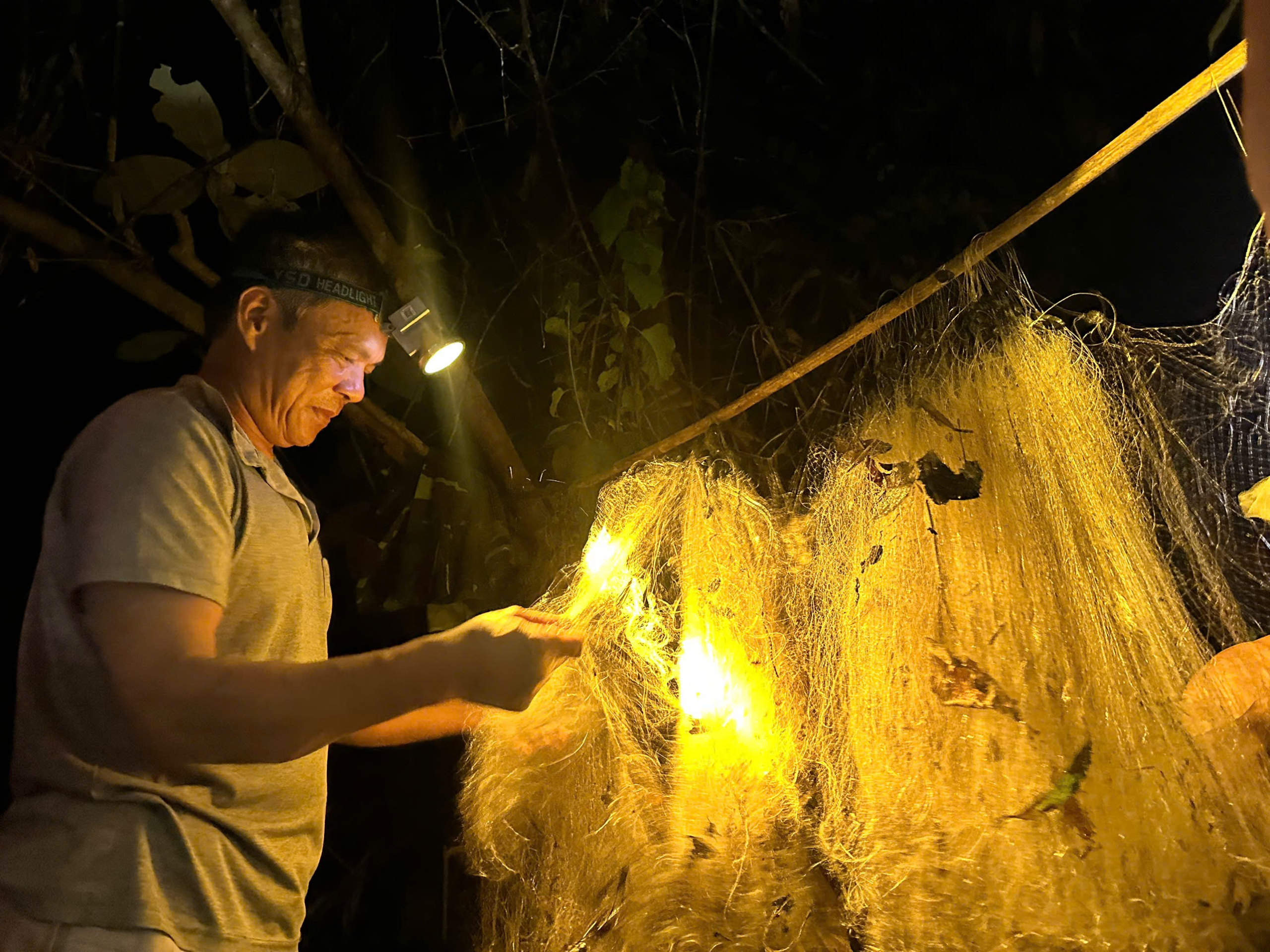
Amidst the remote wildness, daily living and rest were organized adaptively yet warmly. As night fell, makeshift shelters hastily erected along stream banks served as cozy sanctuaries in the heart of the forest.
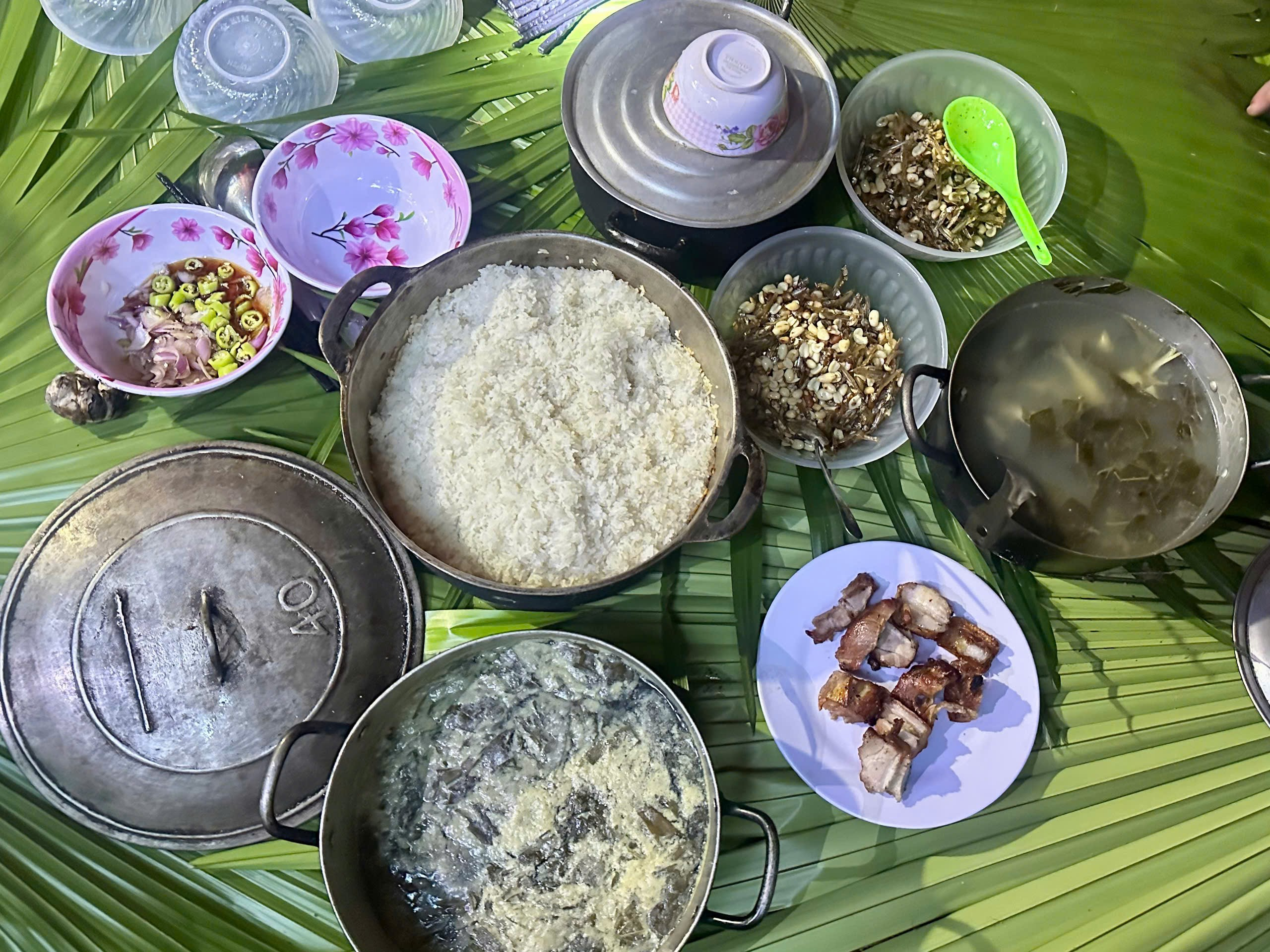
Simple dinners by flickering flashlight beams—featuring humble jungle fares such as boiled bamboo shoots, stream fish, and roasted peanuts—embodied the true spirit of frontline resilience: enduring hardships with unyielding optimism.
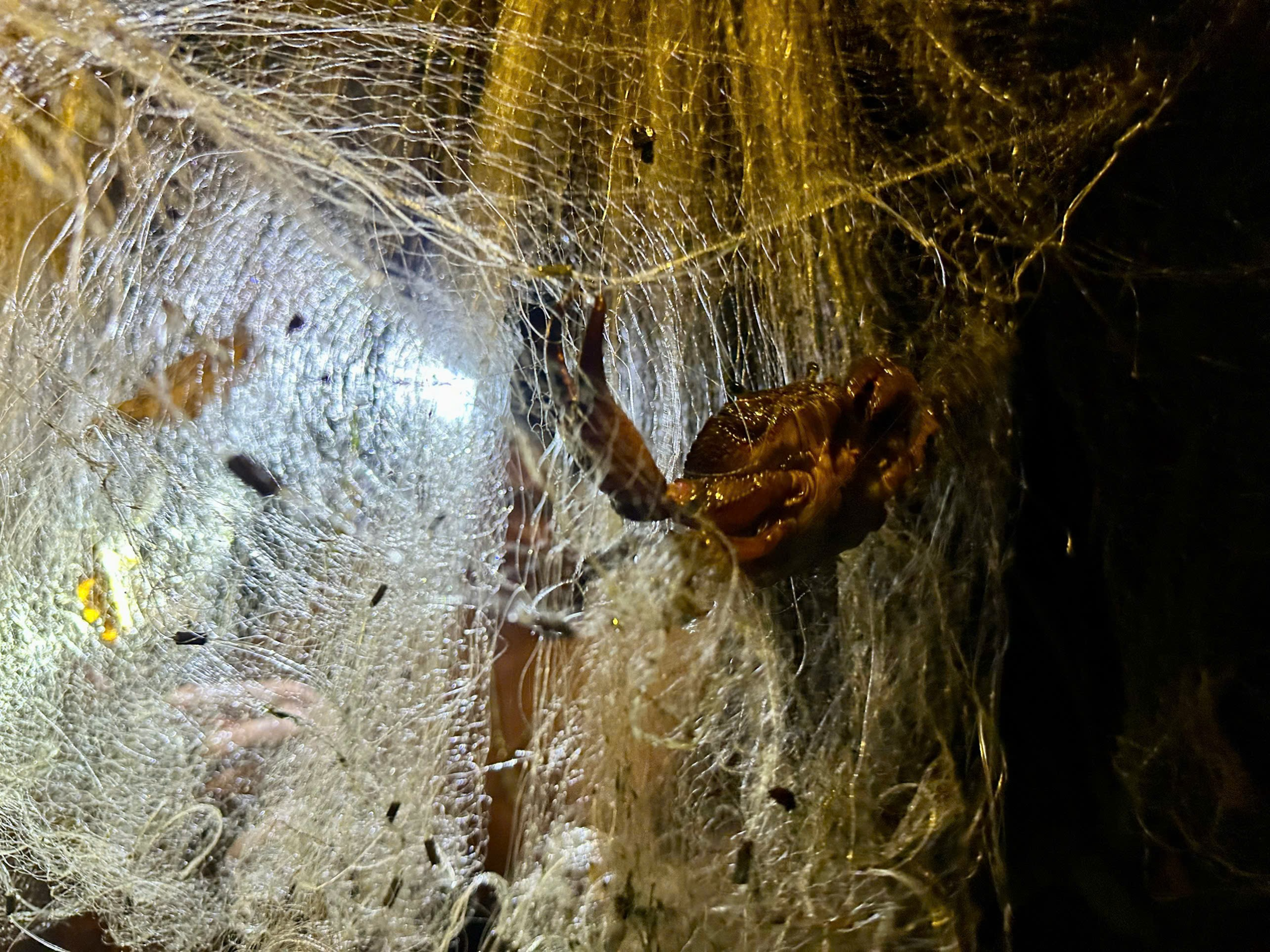
Unwinding under the Canopy
Unique experiences—such as tasting wild fruits right on the trail or taking a short rest in a hammock beneath the sun-dappled canopy—served as vital morale boosters, energizing the team to continue conquering the arduous journey ahead.
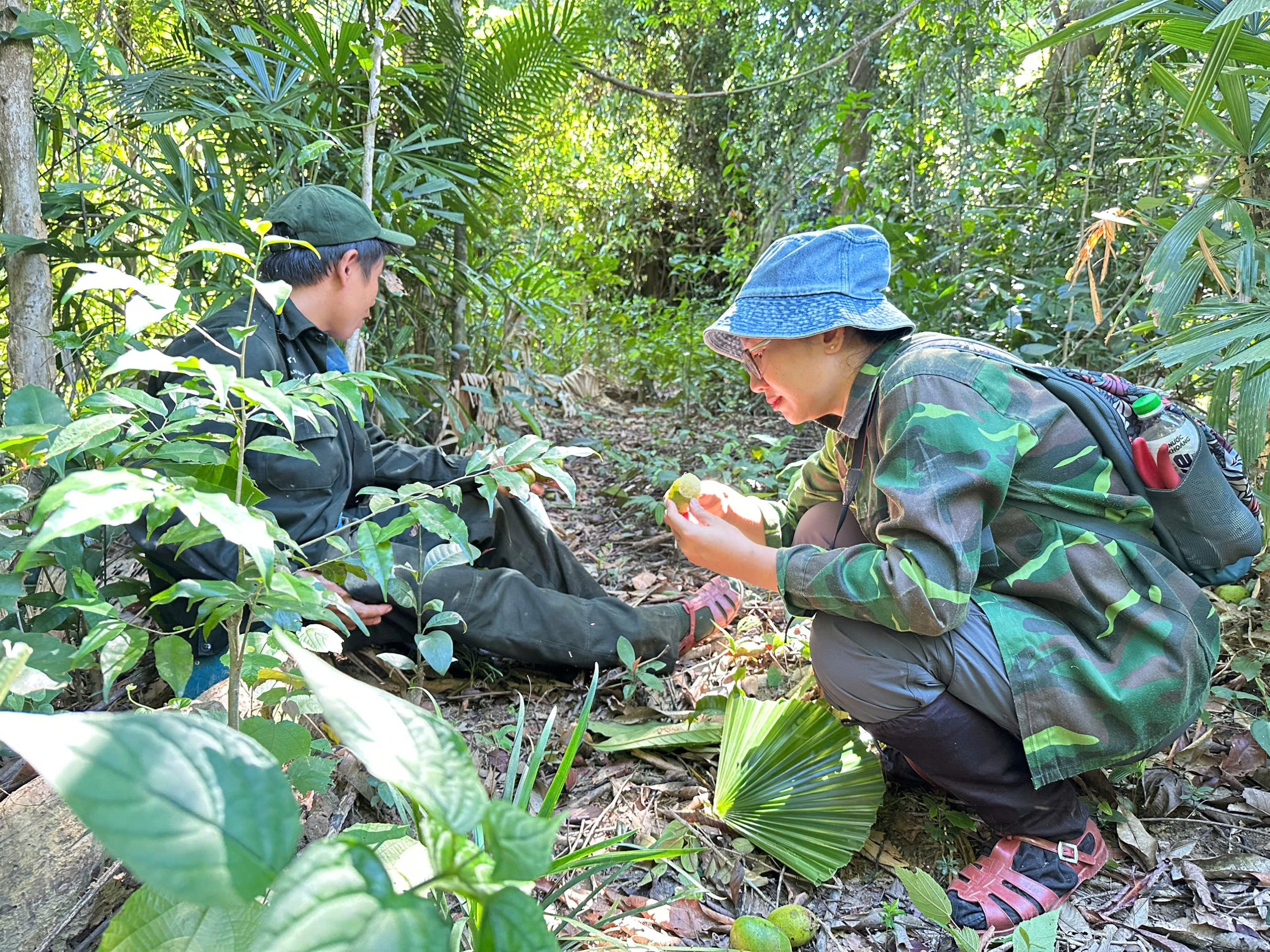
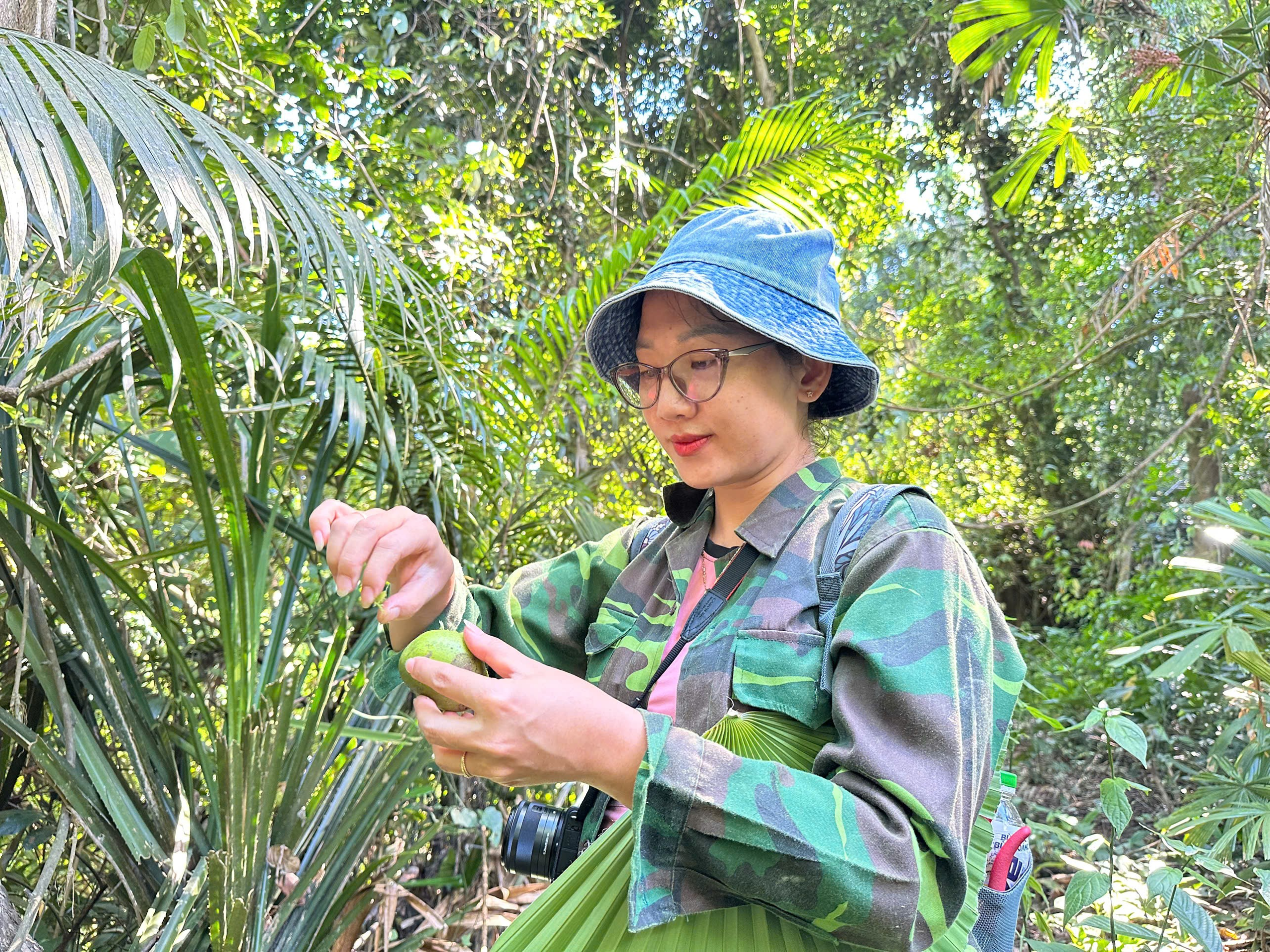
Botanical expert Ta Thi Nu Hoang enjoying wild mangoes during the expedition
Far beyond a test of fortitude, the expedition yielded scientific results exceeding expectations. By combining modern research methodologies with practical wilderness expertise, the team’s botanical and zoological experts gathered critical data on vegetation structure and documented the presence of rare wildlife species.
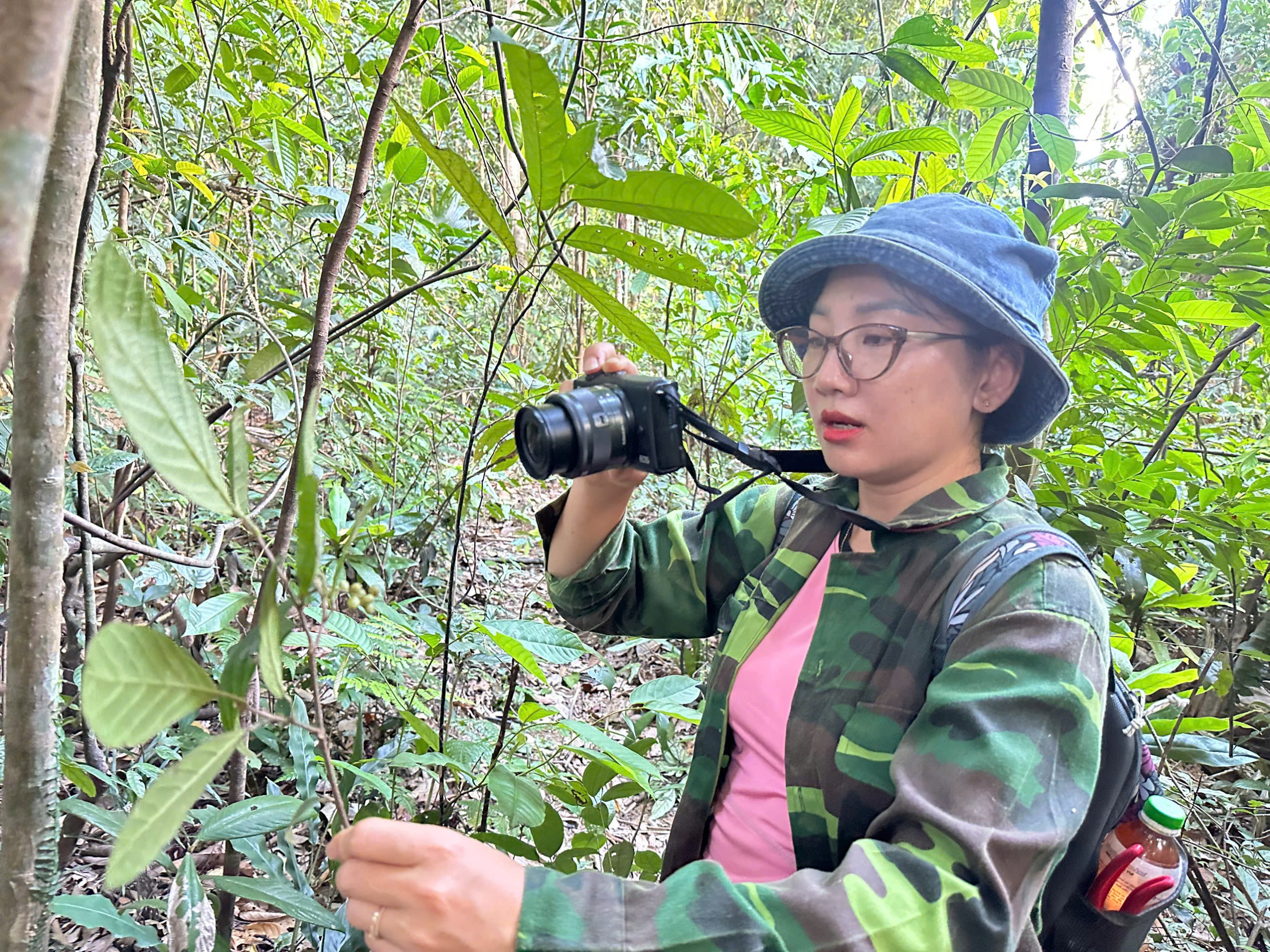
Botanical expert Ta Thi Nu Hoang meticulously documenting, measuring, and collecting endemic specimens in the field
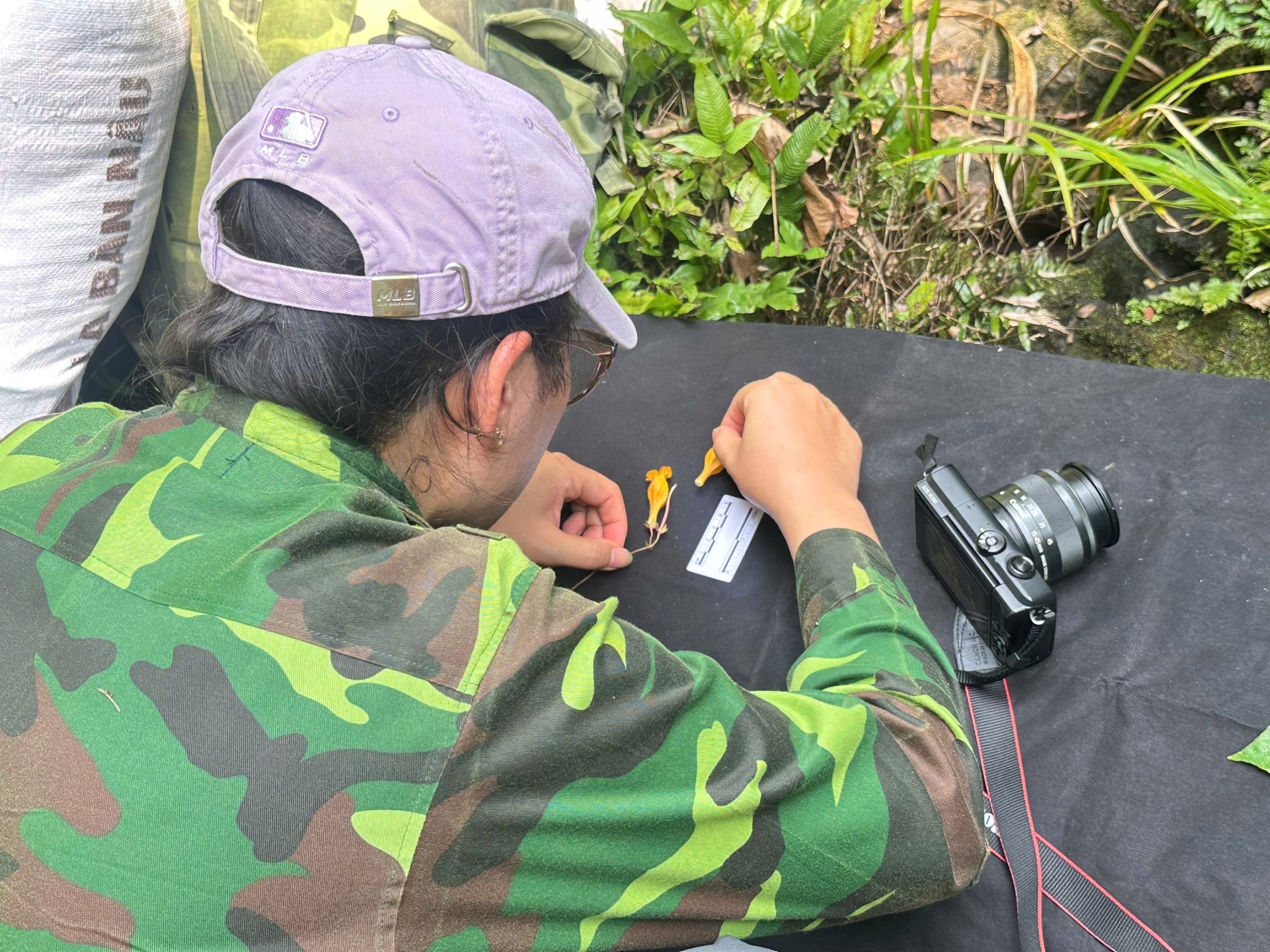
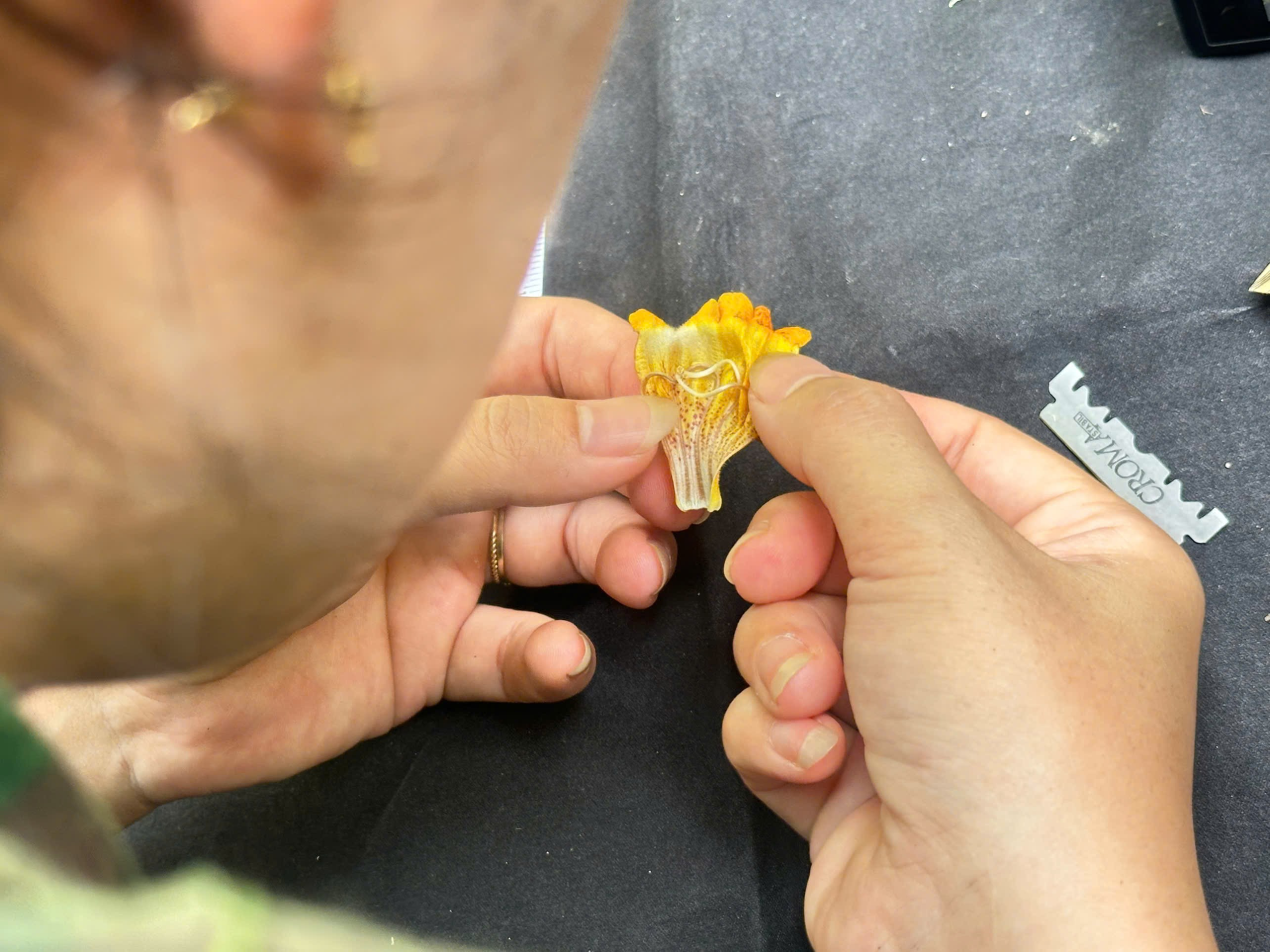
Botanical expert Ta Thi Nu Hoang dissecting and analyzing a newly discovered rare flower
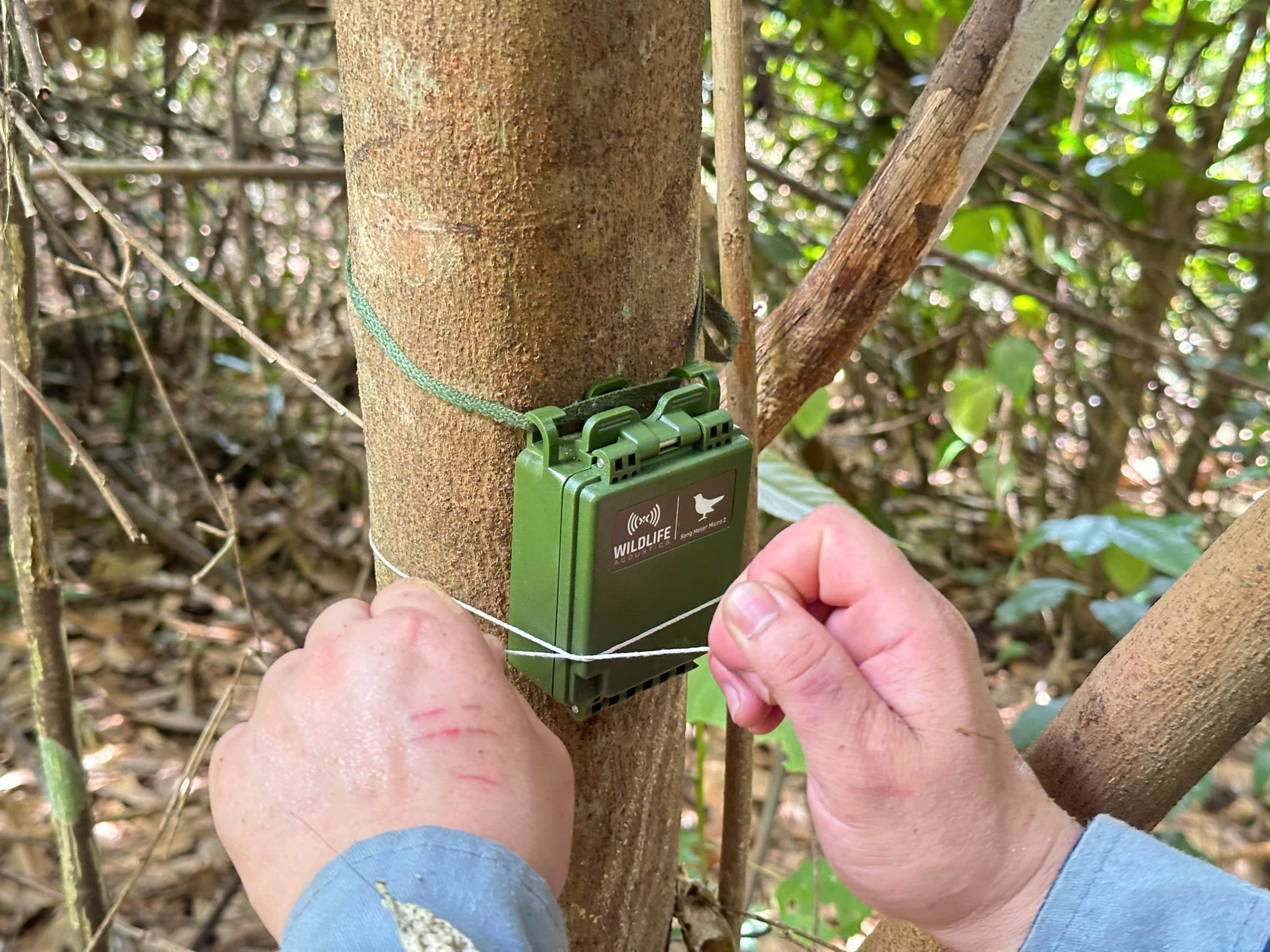
Specialized equipment—including long-lens cameras, automated bioacoustic recorders, vegetation structure measurement devices, and biological dissection kits—was utilized highly effectively. Notably, the team recorded several endangered and rare flora and fauna species listed in the Vietnam Red Data Book. These findings underscore the pristine nature and exceptional conservation value of the Tuyen Hoa protection forest ecosystem.
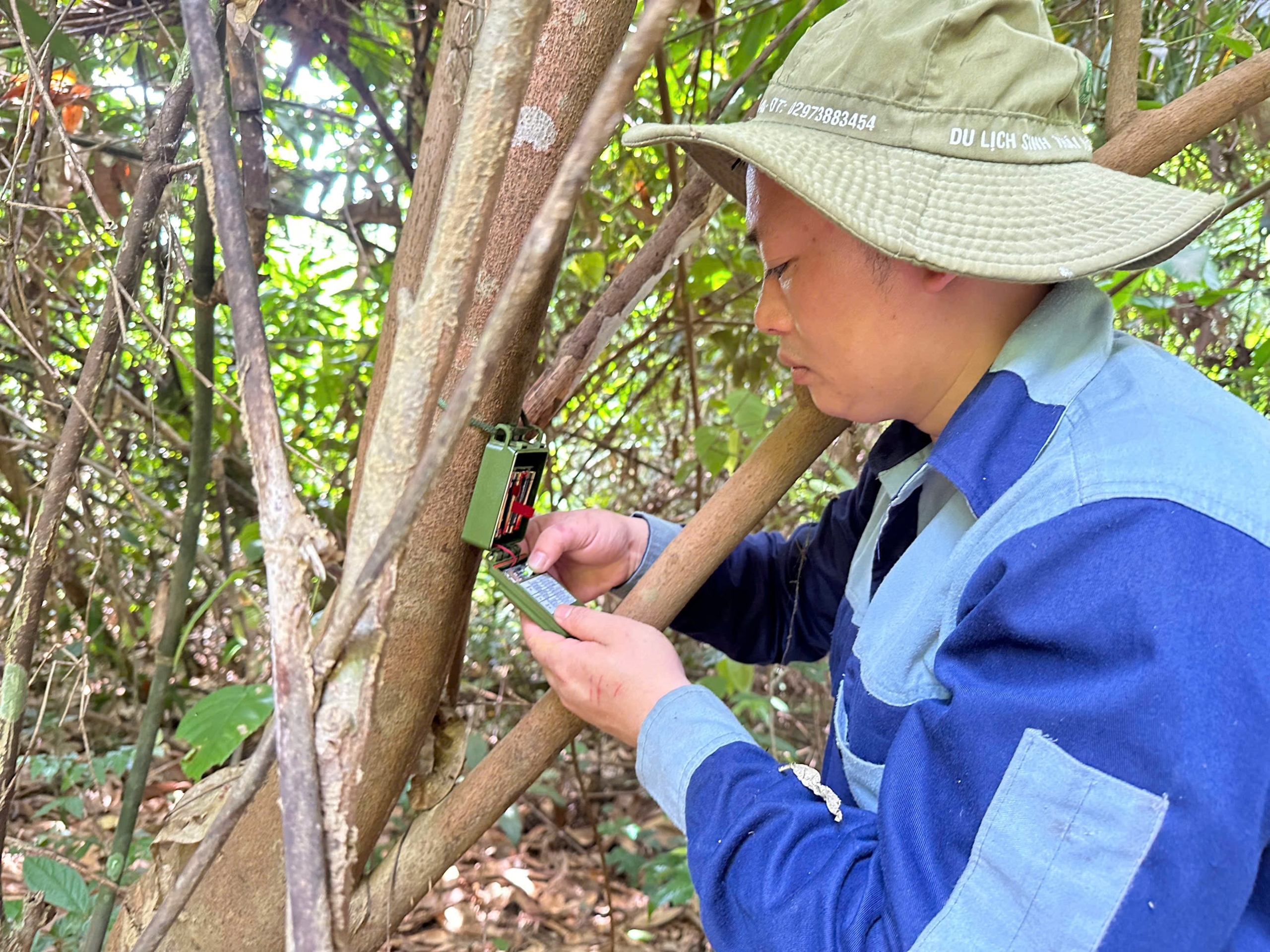
Expert Giang Trong Toan installing an acoustic recording device on a tree trunk to monitor animal vocalizations and bird calls
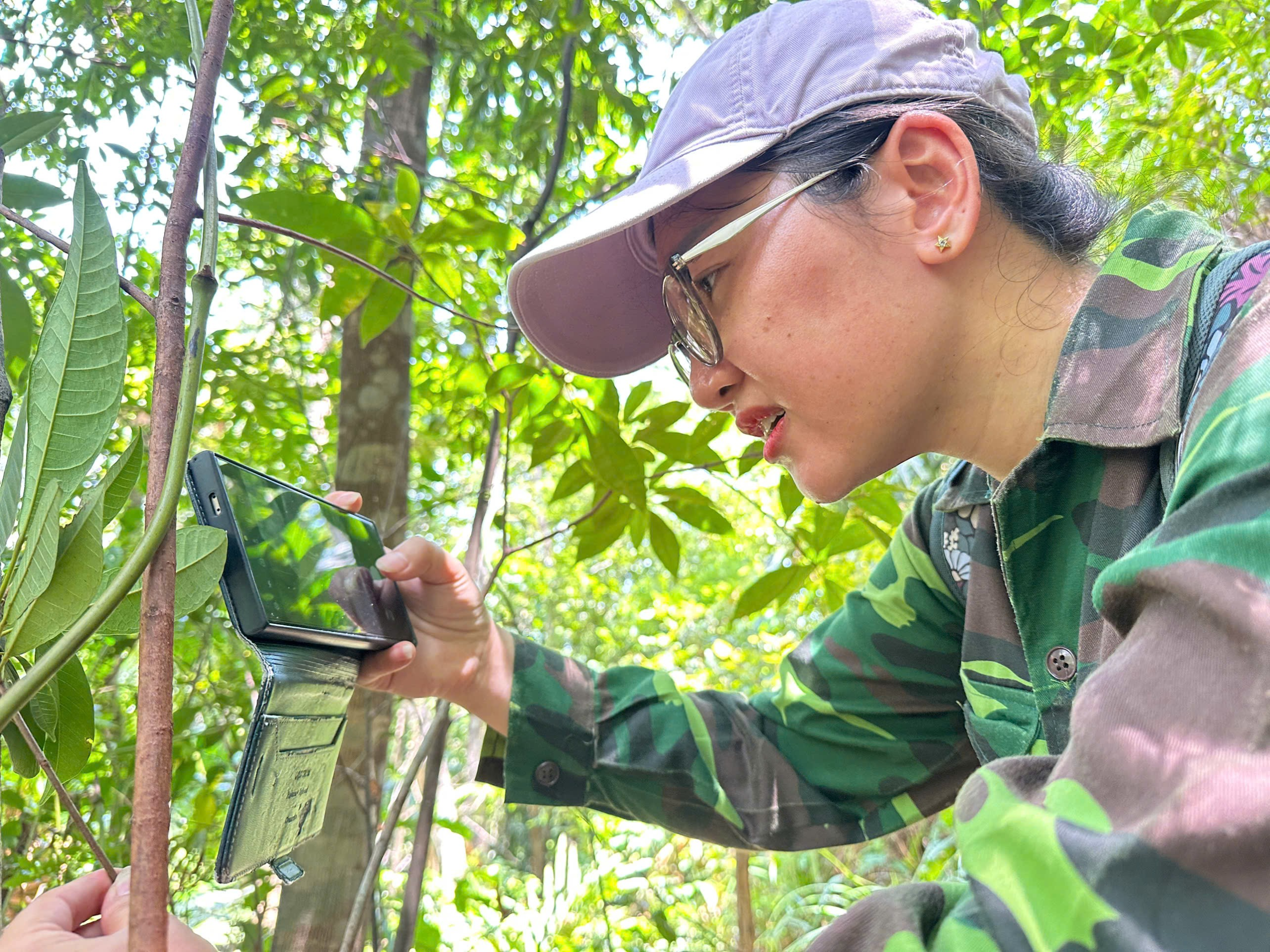
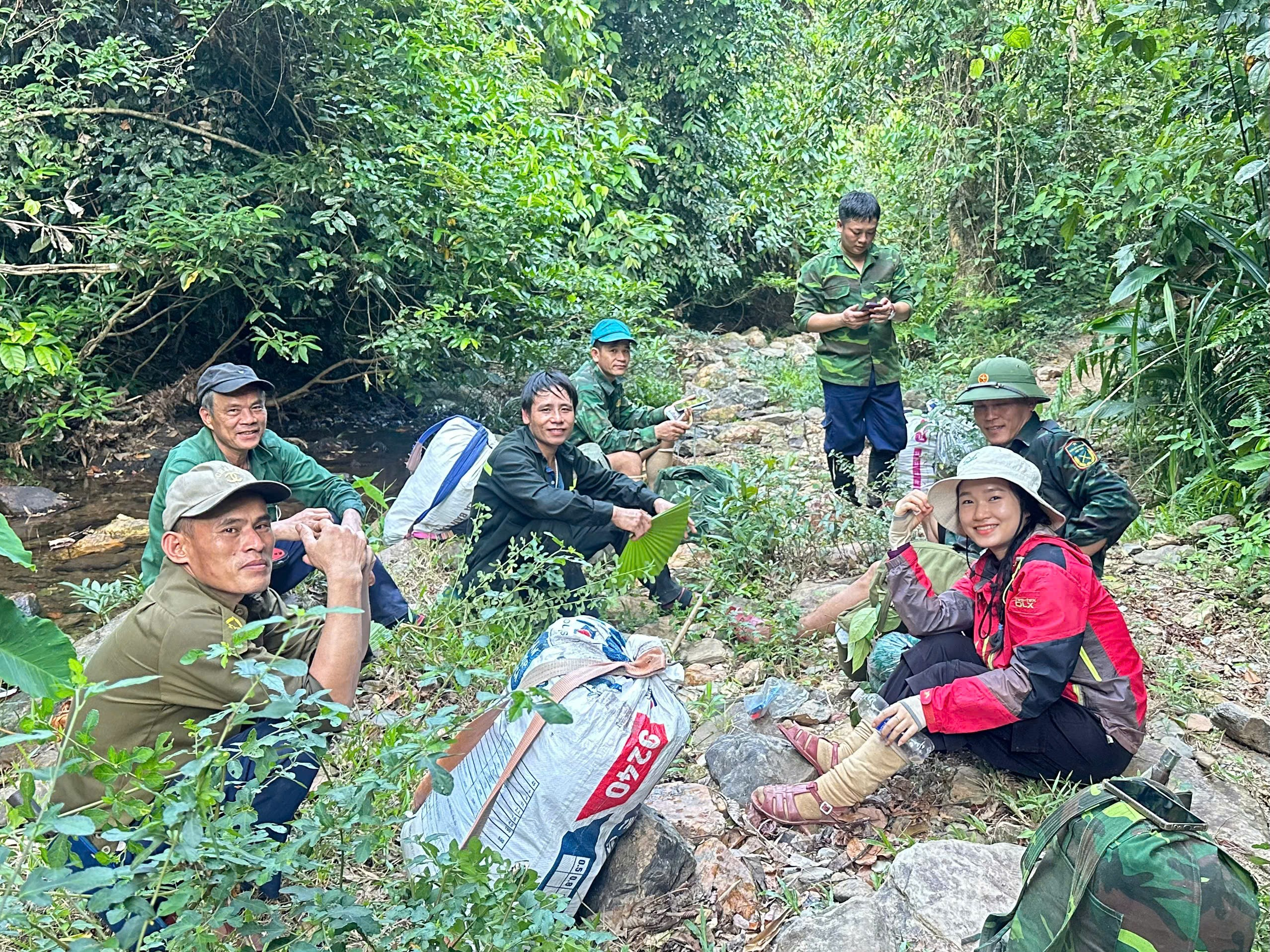
The team’s shared joy upon successfully achieving the survey’s objectives
This expedition not only recorded a wealth of ecological data and valuable lists of rare fauna and flora, but also served as a journey that forged willpower and demonstrated an unwavering commitment to forest resources among conservationists. This will serve as a solid foundation for CEGORN, the Tuyen Hoa Protection Forest Management Board, and relevant authorities to continue developing biodiversity conservation projects. Furthermore, it will inform proposals for actionable solutions to safeguard the “green lungs” of the Khe Net area in particular, and the global natural heritage at large.
